Self-Love Meditations: A Gentle Guide to Worthiness
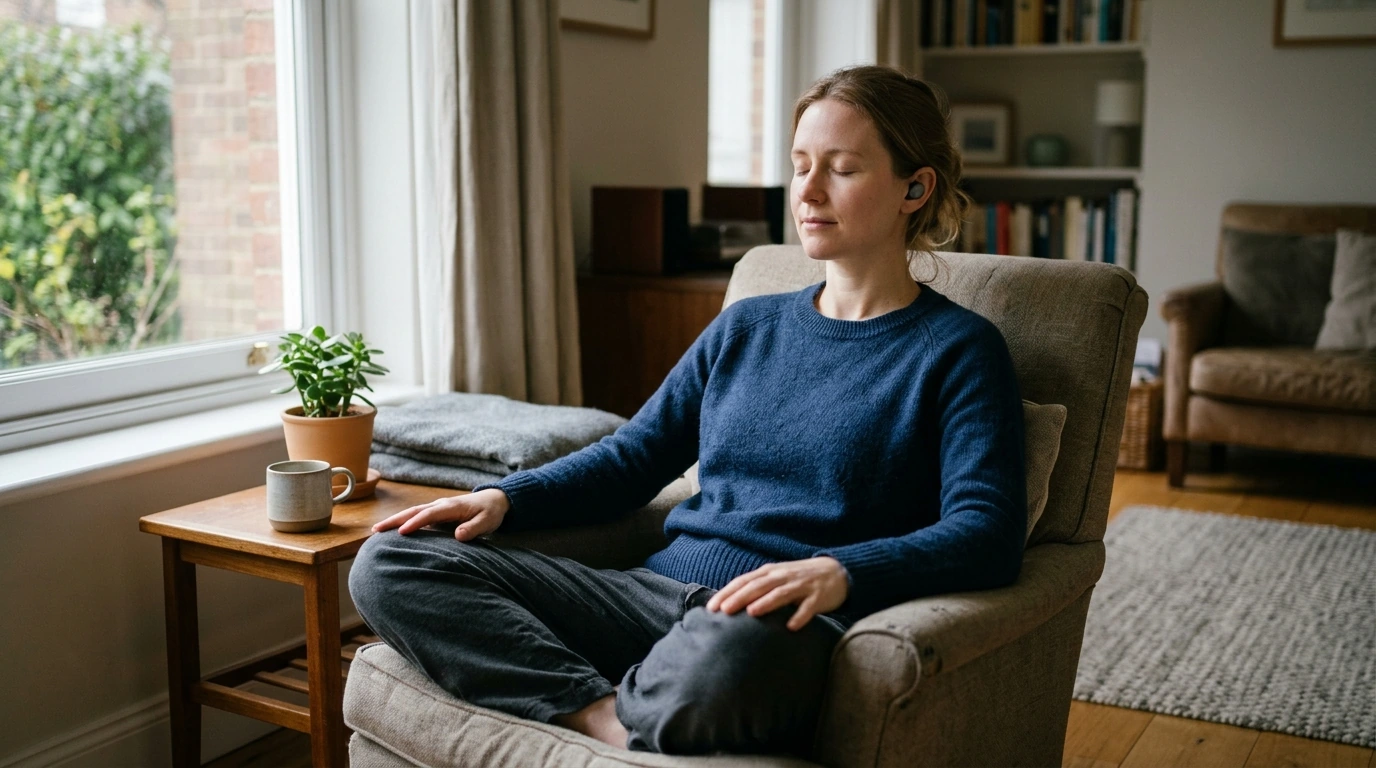
Making space for self-love does not have to mean overhauling your day. It can begin with a small pause: a chance to notice how you feel and speak to yourself with a little more kindness. Our Meditations for Self-Love & Worthiness audio course offers guided meditation, affirmations, and mindfulness as tools you can explore at your own pace.
Whether you are new to meditation or returning to a familiar practice, you can make the course part of a routine that suits your life. There is no single feeling you need to achieve and no perfect way to begin.
A Gentle Place to Begin
When your thoughts are busy, sitting quietly on your own can feel like a challenge. Guided audio gives you a voice to follow, so you do not have to decide what to focus on at every moment. You can listen, notice when your attention drifts, and return to the guidance without judging yourself.
Our Meditations for Self-Love & Worthiness audio course brings together guided meditations, affirmations, and mindfulness centered on confidence, calm, and inner healing. It is available from our store for $26.99.
Think of it as an invitation rather than a task to complete perfectly. Some days, you may appreciate a quiet moment; on others, simply noticing that you need a break may be enough. Your experience can change from one practice to the next.
Building a Self-Kindness Routine
Start by choosing a comfortable place and a time when interruptions are less likely. You might sit in a chair, settle on a cushion, or find another position that feels supportive. You do not need a special setup: a little room to listen and a willingness to pause are a useful starting point.
Begin at a pace that feels manageable. If your mind wanders toward errands, conversations, or plans, gently bring your attention back to the audio when you notice. Wandering is not a sign that you have failed; returning is part of the practice. You can also adjust your position, pause the audio, or stop if you need to.
Ways to Make Room for Practice
These are examples of when you might choose to listen, not descriptions of separate sessions included in the course. Pick a moment that feels realistic for you.
| Moment | Simple approach | Intention |
|---|---|---|
| Morning | Set aside quiet time before the day gets busy | Begin with a moment of self-kindness |
| During a break | Pause somewhere comfortable and listen | Reconnect with the present moment |
| Evening | Make space to unwind without rushing | Reflect with a gentler perspective |
If making room in your schedule is the difficult part, a simple reminder or a note in your planner may help. For a broader approach to organizing goals and routines, you can also explore our Ultimate Productivity Blueprint digital guide. Leave yourself flexibility: a routine should support you, not become another reason to feel pressured.
Using Affirmations Mindfully
Affirmations are supportive phrases that can encourage a kinder internal dialogue. They are not instructions to ignore difficult feelings or convince yourself that everything is fine. Instead, a phrase can offer a different way to respond when you notice self-criticism.
Choose words that feel believable enough to say without strain. For example, “I am learning to treat myself with kindness” may feel more comfortable than a statement of complete confidence. You can repeat a phrase quietly, say it aloud, or simply listen and notice how it lands. If a phrase feels uncomfortable, you can change it or let it pass.
Experiences differ, and regular practice does not guarantee confidence or healing. Some people may find mindfulness helpful, while others may find certain practices uncomfortable. The National Center for Complementary and Integrative Health offers an overview of meditation and mindfulness, including what is known about their potential benefits and risks.
A Supportive Practice, Not a Substitute for Care
Meditation is a personal wellness practice, not a treatment for mental health conditions. If listening brings up discomfort, you can pause, shorten or adjust your practice, or choose not to continue. Keeping your eyes open, changing your surroundings, or returning to an ordinary activity may feel more comfortable.
If you are struggling or need support, consider reaching out to a qualified mental health professional. You do not have to manage difficult experiences alone, and a wellness resource should not replace the care you need.
Our team invites you to explore the course with curiosity and make space for a practice that feels right for you. A small, flexible pause can be a way to show yourself attention without asking yourself to be anywhere other than where you are.
Before choosing, compare the product details with your daily routine, available space, care needs, and preferred setup. The strongest option is usually the one that fits the intended use clearly and remains simple to clean, store, and check before repeat use.
FAQ
Do I need meditation experience to start?
No. Guided meditation can be a useful starting point for beginners, and you can approach the practice at your own pace.
How often should I practice?
Choose a manageable routine that fits your life. There is no required frequency, and you can adjust it as your needs change.
Can this course replace therapy?
No. The course is a wellness resource, not a substitute for professional mental health care.












Leave a comment