Choosing a Pet: Understanding Genetic Health Risks

Choosing a companion is exciting, but it also calls for careful planning. An animal’s personality, your lifestyle, and the care you can provide all matter. Health is another important part of the decision, including the possibility of inherited conditions.
Our Healthy Companions Begin with Smart Choices digital eBook is a practical starting point for pet lovers who want to ask informed questions before bringing a companion home. Understanding genetic risk can guide conversations with breeders, rescues, and veterinarians, but it cannot guarantee any animal’s future health.
Why genetic health matters when choosing a pet
Some health conditions can be inherited, meaning genetic information passed from parents contributes to an animal’s risk. The concerns worth investigating vary by species, breed, and family history. Even within a breed, individual animals can have different risks.
Inherited risk is only one part of the picture. Illnesses and injuries can also be influenced by environment, nutrition, preventive care, age, and other circumstances. A pet with no known inherited concern can still need medical care, while an animal with an identified risk may live comfortably with appropriate veterinary guidance.
Whether you plan to adopt or purchase, consider what long-term care might involve. Ask yourself whether you can accommodate possible veterinary visits, treatment costs, and changes to your companion’s routine. Pair those considerations with temperament, activity needs, and the kind of home you can offer.
The Orthopedic Foundation for Animals offers information about health screening and inherited conditions, particularly for dogs and cats. A veterinarian can help you understand which concerns are relevant to an individual animal.
Questions to ask before bringing a companion home
Start a conversation with the breeder or rescue about what is known and documented. Ask about the animal’s health history, any known family health concerns, veterinary records, and screening or genetic test results. If results are available, ask which animal was tested, which conditions were covered, and whether you can review the documentation.
Then bring your questions to a veterinarian. Ask which species- or breed-specific concerns deserve attention and how to interpret the information you have. A test result can have different implications depending on the condition and the animal’s circumstances, so it is worth discussing rather than drawing conclusions from a label alone.
Some pets, particularly those entering rescue without a documented background, may have little or no family history available. That does not automatically mean an animal is unhealthy. It does mean certain inherited risks may be harder to assess, making a veterinary conversation and a plan for ongoing care especially useful.
A practical health-information checklist
| What to ask about | Why it matters | Next step |
|---|---|---|
| Known family health history | May reveal inherited concerns | Discuss relevant findings with a veterinarian |
| Health screening or genetic tests | Can provide information about specific conditions | Ask what each result does and does not indicate |
| Veterinary records | Help establish what care is documented | Review available records before making a decision |
It can also help to ask what the animal’s current caregiver has observed about eating, movement, behavior, and previous treatment. These observations are not a diagnosis, but they can give you useful topics to raise during a veterinary visit. The American Veterinary Medical Association’s pet care resources offer further guidance on caring for a companion.
How the eBook supports a thoughtful decision
Healthy Companions Begin with Smart Choices is our digital eBook focused on avoiding pets with genetic health risks. It is intended to help you approach a decision thoughtfully: prepare questions, consider the health information available, and recognize where professional interpretation may be helpful.
The digital download is listed at $9.99 USD. Visit the product page for current details before purchasing. Our guide complements advice from a veterinarian; it does not replace an examination, diagnosis, or recommendations tailored to an individual pet.
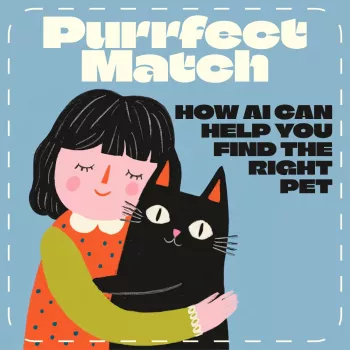
Health is just one part of finding a good match. Our Purrfect Match guide to finding the right pet offers another way to explore the selection process. If you are preparing for a dog, our Choosing the Perfect Dog Crate checklist and guide can support your planning for the home you will share.
Look beyond a single health result
A clear test for one condition does not rule out every inherited condition or future health problem. Screening is most useful when you understand its scope and consider it alongside the animal’s history, a veterinary assessment, and your capacity to provide care.
Think about daily life, too. Does the animal’s temperament suit your household? Can your living space and schedule accommodate its needs? Have you budgeted for routine veterinary care as well as unexpected expenses? These questions apply whether you choose a young animal or an older companion.
Our team encourages you to explore the guide, gather the information you can, and speak with a veterinarian before taking your next step toward pet ownership. A thoughtful decision starts with good questions, not a promise of perfect health.
FAQ
Can genetic testing guarantee a healthy pet?
No. Tests address specific conditions and do not rule out every genetic risk or future health problem. A veterinarian can help you interpret results.
What if a pet’s family health history is unknown?
Ask for whatever records are available and discuss the uncertainty with a veterinarian. Unknown history alone does not mean a pet is unhealthy.
Is Healthy Companions Begin with Smart Choices a physical book?
No. It is listed as a digital download eBook, not a physical book.











Leave a comment