Reptile Care Checklist for Beginners: Get Started
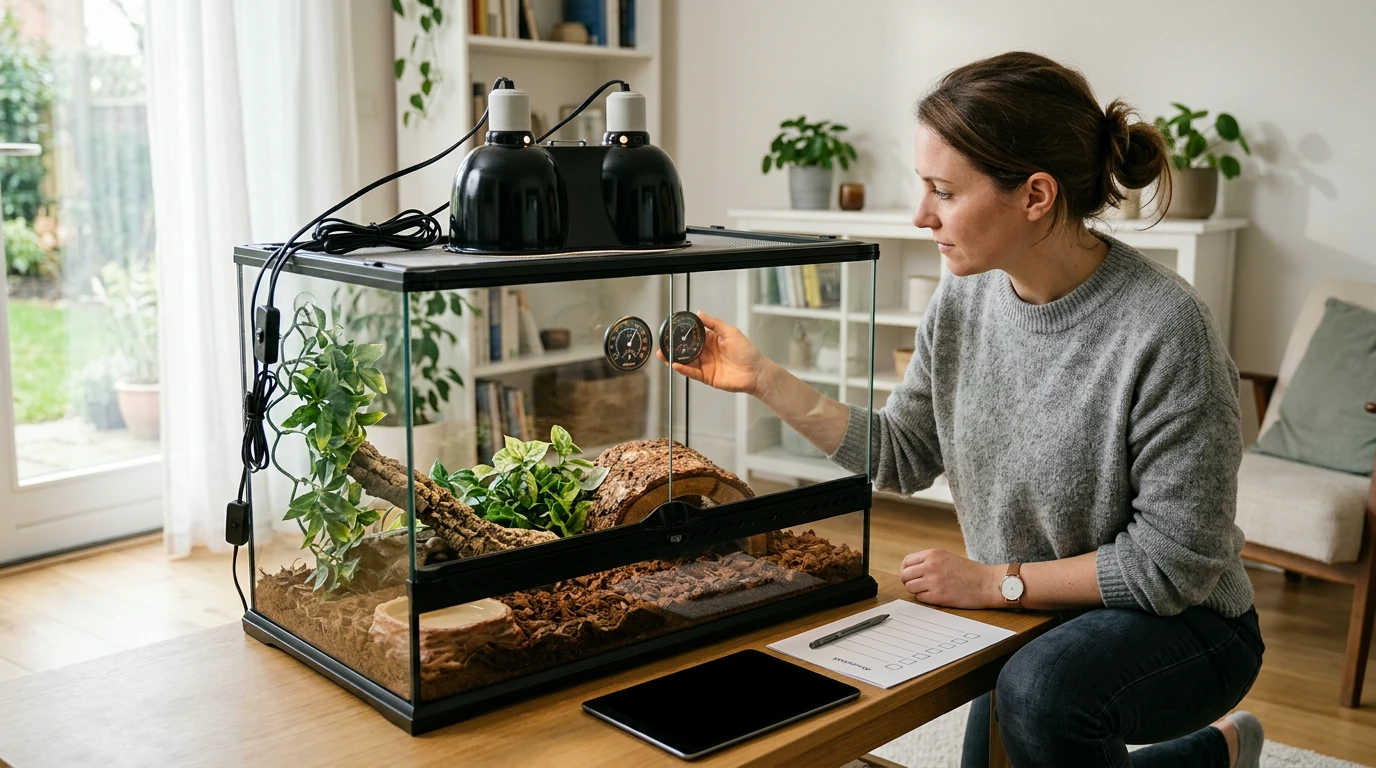
Welcoming a reptile starts well before you bring one home. From choosing a species to testing an enclosure, a little preparation helps you make decisions with confidence and build a care routine you can sustain.
Our The Reptile Lovers’ Starter Checklist is a digital guide and printable checklist designed to help you organize those early decisions. Use it alongside reliable species-specific care information and advice from a veterinarian experienced with reptiles.
Start With the Right Reptile for Your Home
There is no single reptile that is right for every beginner. A species is beginner-friendly for you when you can consistently meet its particular needs, not simply when it has a reputation for being easy to keep.
Begin by comparing adult size and lifespan. A small juvenile may eventually need a much larger enclosure, and some reptiles live for decades. Consider where the habitat will fit as the animal grows and whether you are ready for a long-term commitment.
Next, look at activity patterns and feeding needs. Some reptiles are most active at night, while others need diets that include live insects or other specialized foods. Think about how comfortably those requirements fit your household, schedule, and access to supplies.
Budget for the enclosure and equipment as well as ongoing food, electricity, replacement supplies, and veterinary care. Before choosing your pet, locate a veterinarian who treats reptiles and ask about appointments and emergency options. Having contact details ready gives you one less thing to resolve if a concern arises.
Plan the Habitat Before Bringing Your Reptile Home
A secure, appropriately sized enclosure is the foundation of your setup. Choose one suited to your species and its adult size, with a secure closure and enough room for the animal’s normal movement and behaviors. Research the species before buying equipment: a habitat that works for one reptile may not meet another’s needs.
Heating, lighting, humidity, substrate, hiding places, and water access all vary by species. Plan how you will provide the required conditions throughout the enclosure, including any appropriate temperature gradient. Select heating and lighting equipment for your chosen animal, and use suitable controls to help prevent overheating.
Habitat Planning Checklist
| Area | What to plan |
|---|---|
| Enclosure | Secure space suited to the species and its adult size |
| Temperature and lighting | Species-appropriate heating and lighting, with equipment to monitor conditions |
| Humidity and water | A suitable humidity range and access to water as required by the species |
| Furnishings | Appropriate substrate, hiding places, and enrichment |
Set up the habitat before your reptile arrives, then monitor it with suitable thermometers and humidity gauges. Check conditions at relevant locations and times, including overnight, so you can make adjustments before an animal depends on the setup. Place hides and other furnishings where they support the species’ needs without blocking equipment or creating hazards.
For a broader introduction to habitat and welfare considerations, explore the RSPCA’s reptile care guidance, then consult detailed guidance for your chosen species.
Build a Care Routine You Can Maintain
Once your habitat is ready, plan a routine that makes daily care manageable. Check temperatures and humidity, provide water as the species requires, and observe your reptile’s appearance and behavior. Notice changes in appetite, activity, or shedding and contact your veterinarian if you have concerns.
Food and feeding schedules depend on both species and life stage. Research appropriate foods, portions, and any supplementation needs before your pet arrives. Keep supplies on hand and plan for care when you are away, including someone who understands the animal’s feeding and habitat requirements.
Make time for regular spot cleaning and a deeper cleaning schedule appropriate to the enclosure. Wash your hands after handling your reptile or anything in its habitat. The CDC’s reptile and amphibian guidance offers advice on reducing the risk of germs, including Salmonella.
Keep a simple record of feeding, cleaning, enclosure readings, and health observations. Add your veterinarian’s contact information and any instructions you receive. These notes can help you spot patterns and share useful details at an appointment.
Keep Your Planning Organized With the Starter Checklist
Our team created a place for you to bring your preparation and ongoing care planning together. The Reptile Lovers’ Starter Checklist combines a digital reptile care guide with a printable checklist, making it easier to track decisions as you research a species and prepare its home.
Use the checklist as a starting point, not a replacement for detailed husbandry guidance or veterinary advice. You can explore The Reptile Lovers’ Starter Checklist for $4.99 before you begin preparing for your new pet.
If you are still comparing pets more broadly, our Purrfect Match digital guide offers another resource for thinking through your choice. Any recommendations you explore should still be checked against trustworthy species-specific information and professional advice.
FAQ
What should I prepare before getting a reptile?
Choose a species and research its specific needs. Prepare and monitor its enclosure, plan its diet, and identify a veterinarian experienced with reptiles before bringing it home.
Is the starter checklist a substitute for veterinary advice?
No. Use the checklist to organize your preparations and care alongside species-specific guidance and advice from a qualified veterinarian.
Which reptile is best for a beginner?
There is no single best choice. Compare each species’ needs with your available space, budget, time, and access to appropriate veterinary care.










Leave a comment