AI Pet Health Monitoring Checklist for Pet Owners
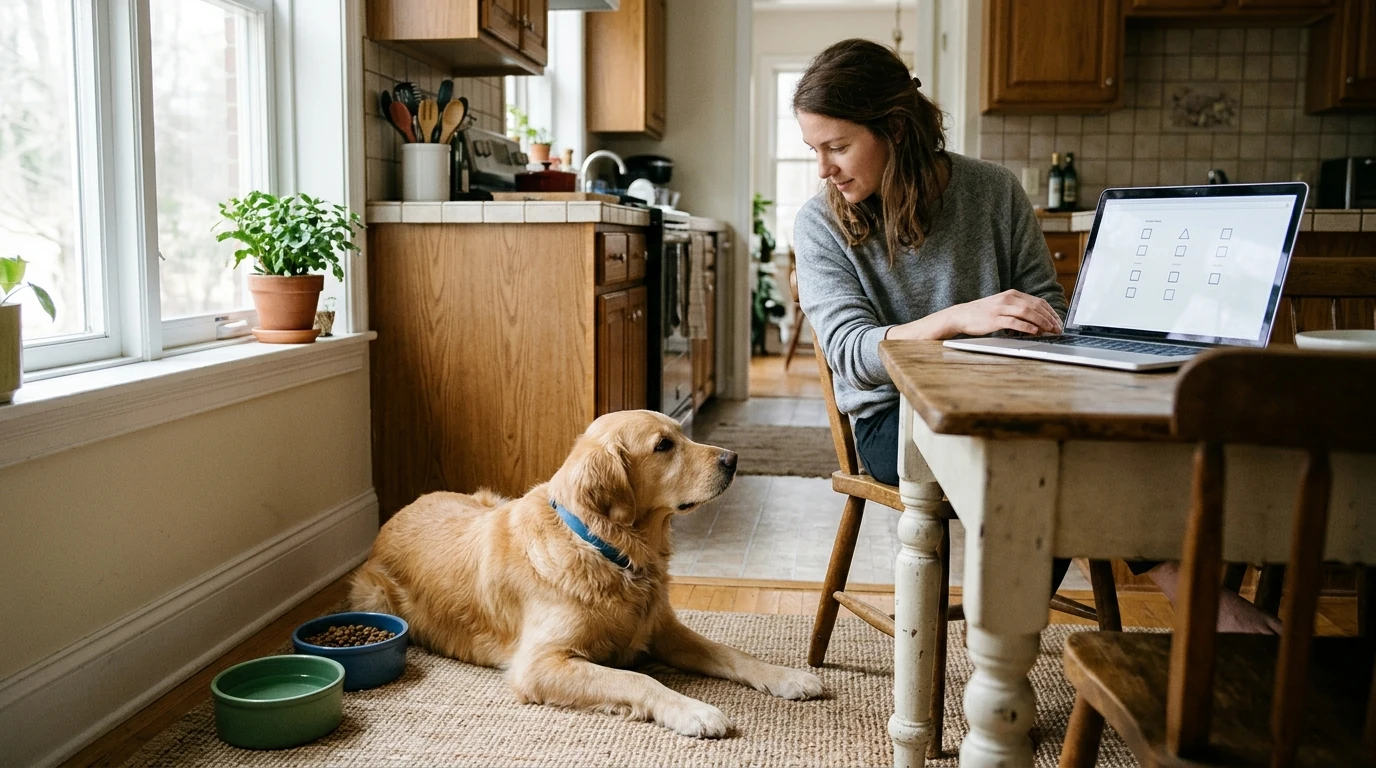
A missed meal, a quieter afternoon, or a change in drinking habits may be easy to overlook on its own. When you keep consistent notes, though, you have a better chance of recognizing a change from your pet’s usual routine and explaining it to your veterinary team.
Our AI Pet Health Monitoring Checklist is a $4.99 digital download guide for pet owners who want a practical approach to tracking health trends, behavior, and preventive care. AI can help you organize your observations, but it cannot reliably diagnose your pet or replace a veterinary examination.
Turn Everyday Observations Into a Useful Routine
You know your pet’s habits better than anyone: how eagerly they approach meals, when they usually rest, and what their normal energy looks like. A brief daily note can give those impressions a useful structure without turning pet care into a complicated project.
Start with what is typical. Record your pet’s usual eating, drinking, activity, and behavior patterns over several days. Your notes do not need to be perfect or technical. A simple description such as “finished breakfast as usual” or “played for about 15 minutes” can provide a reference point.
When something changes, write down what you noticed and when. Over time, these details can help you describe a pattern instead of relying on memory during an appointment. They can also help you prepare clearer questions for your veterinarian.
Our checklist guide supports that kind of routine while keeping the roles clear: you observe, AI can help organize, and your veterinary team provides medical assessment and advice.
What to Track and Share
A useful health log focuses on observations rather than guesses about their cause. Include the date, how long a change lasted, and any context that may help explain what was happening. For example, note whether a change occurred after travel, a routine change, or a particularly active day.
The table below offers examples of information you can organize; it is not a list of guaranteed contents in the download.
| Area | What to note | Why it helps |
|---|---|---|
| Eating and drinking | Changes in appetite or water intake | Makes shifts from the usual routine easier to describe |
| Activity and behavior | Energy, movement, sleep, or unusual behavior | Provides context for changes over time |
| Preventive care | Vet visits, medications, and care reminders | Helps owners keep important dates together |
| Symptoms | When a change began and how often it occurs | Gives the veterinary team a clearer timeline |
Be as specific as you reasonably can. “Drank more water than usual for two days” is more useful than “seemed off,” especially when you can describe what is normal for your pet. If you track medication, include the name and schedule your veterinarian provided rather than changing a dose based on an app or AI response.
Share your original notes directly with your veterinarian, especially when something changes. A short timeline can help your team ask follow-up questions, but it does not replace an examination or any tests they recommend.
Use AI to Organize Notes, Not Make a Diagnosis
Once you have a few dated entries, an AI tool may help turn them into a concise summary for an appointment. You can also ask it to group observations by date or suggest questions you might want to discuss with your veterinarian.
For example, you could write: “Summarize these observations by date and suggest questions to ask my veterinarian. Do not diagnose.”
Review the result against your original notes before sharing it. AI can omit details, misunderstand a timeline, or state uncertain information too confidently. Correct any errors, and keep your original record available for your veterinary team.
Protect your privacy, too. Avoid entering unnecessary personal information, such as your address or payment details, and review the AI tool’s privacy settings before sharing notes. You can describe your pet’s observations without including details that are not needed for the task.
Know When to Contact Your Veterinarian
Do not wait for an AI summary if you are concerned about a change or if it persists. Contact your veterinarian promptly and describe what you have noticed, including when it began and whether it is getting worse. Your veterinary team can advise you on the next step.
For an emergency such as difficulty breathing or collapse, contact a veterinarian or emergency clinic immediately. A checklist is not an emergency triage tool, and an AI response should not delay care.
Preventive care schedules and treatment decisions should also be tailored with a veterinary professional. Your pet’s needs can depend on factors such as age, health history, and circumstances. For additional general information, explore the American Veterinary Medical Association’s pet care resources and the FDA’s animal and veterinary resources.
Make the Checklist Part of Your Pet-Care Toolkit
Our AI Pet Health Monitoring Checklist can help you build a more consistent approach to recording trends, behavior, and preventive care. Keep your notes somewhere you can update easily, and bring them to appointments or share them when you call with a concern.
If you have a dog and are considering a crate, our Choosing the Perfect Dog Crate printable checklist is a related resource focused on comfort and safety. If you are considering a new companion, explore Purrfect Match: How AI Can Help You Find the Right Pet for another way to use AI as a decision-support tool.
FAQ
Can AI diagnose my pet’s health problems?
No. AI may help organize observations, but a veterinarian must assess symptoms and make medical decisions.
What information should I record about my pet?
Keep dated notes about your pet’s usual routines and changes in appetite, drinking, activity, behavior, and symptoms. Include relevant care dates, medications, and context when available.
When should I contact a veterinarian instead of using AI?
Contact your veterinarian promptly about concerning or persistent changes. For emergencies such as difficulty breathing or collapse, contact a veterinarian or emergency clinic immediately.








Leave a comment