Healthy Portions for Dogs and Cats: A Feeding Guide
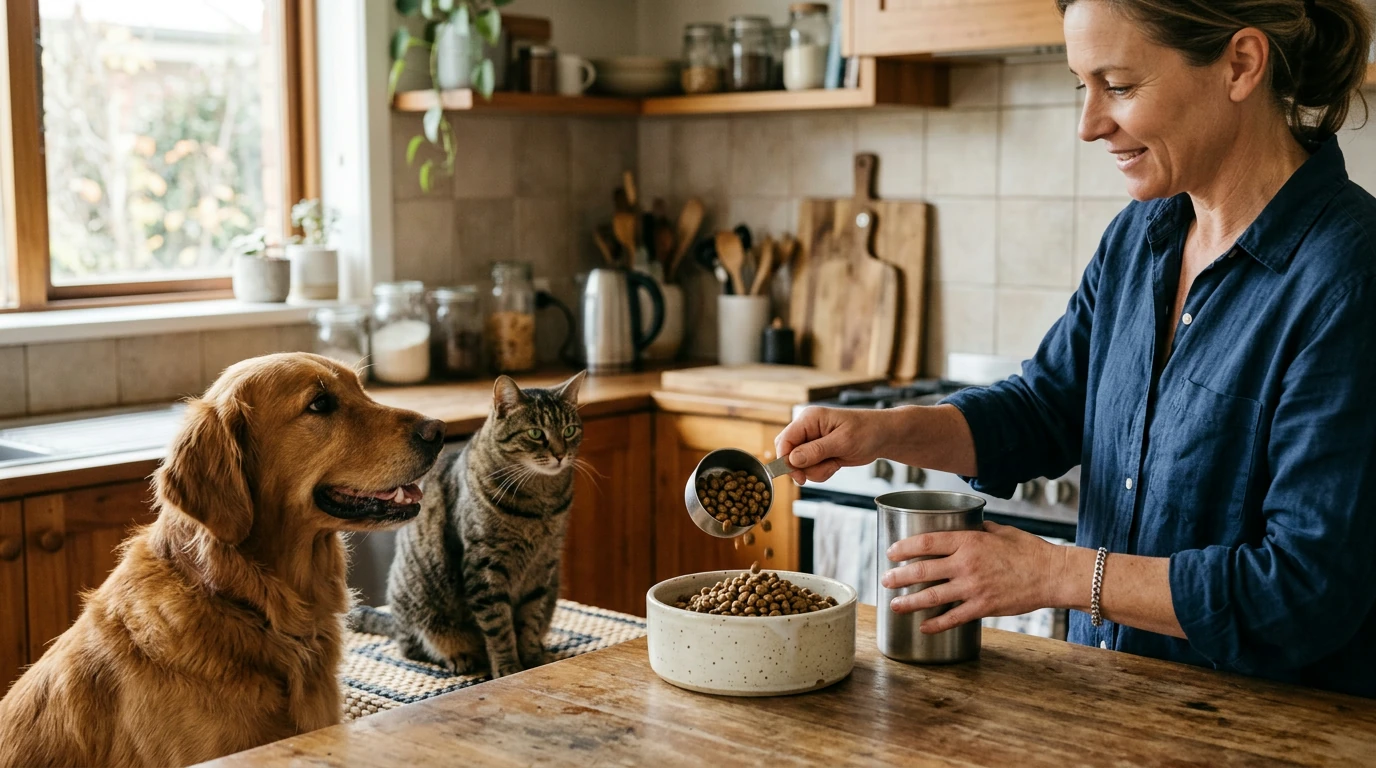
Feeding your dog or cat is part of every day, but it can be surprisingly easy to lose track of portions, treats, and who gave the last meal. A little structure can help you make mindful decisions without turning feeding time into a complicated project.
Our Healthy Portions Happy Pets digital guide is designed for dog and cat owners who want to build more consistent feeding routines and encourage healthy habits.
Why a Feeding Routine Matters
When meals follow a reasonably consistent schedule and portions are measured, you have a clearer picture of what your pet normally eats. That makes it easier to notice when your dog leaves breakfast untouched or your cat starts asking for food more often than usual.
A routine also helps prevent accidental extras. If several people care for your pet, a shared plan can reduce the chance of serving two dinners or handing out treats without realizing how many have already been given.
There is no single feeding plan that works for every pet. Dogs and cats have different nutritional needs, and an individual animal’s age, activity level, health, and food all matter. Your veterinarian can help you decide on an appropriate amount and meal schedule. The WSAVA Global Nutrition Guidelines offer additional resources on nutritional assessment.
Start With Portions and Daily Habits
The feeding directions on your pet’s food label are a useful starting point, not a universal prescription. Compare them with your pet’s circumstances and ask your veterinarian for help interpreting them. If you change foods, check the new label: the same volume of two different foods may provide different amounts of calories.
Measure meals rather than relying on a quick scoop by eye. Use a consistent measuring method, or ask your veterinarian whether weighing food with a kitchen scale would be helpful. Include treats, training rewards, and other extras when considering your pet’s daily intake.
Everyday Feeding Habits
| Habit | Practical step | When to seek guidance |
|---|---|---|
| Portions | Measure food rather than estimating by eye. | Ask a veterinarian how much is appropriate for your pet. |
| Treats | Keep track of treats alongside regular meals. | Discuss adjustments if weight is a concern. |
| Mealtimes | Choose a consistent routine that suits your pet. | Ask about meal frequency for puppies, kittens, or pets with health conditions. |
Choose one change to start, such as recording treats for a week or agreeing on a regular dinner time. A small, repeatable step can give you useful information to share with your veterinarian without requiring you to overhaul everything at once.
Responding to Overeating
If your pet regularly begs or eats more than planned, look at the whole household routine before making changes. Are meals being measured consistently? Does someone offer snacks during the day? Can your pet reach another animal’s food? A simple feeding log can reveal patterns that are easy to miss.
Begging alone does not tell you exactly how much food your pet needs. Avoid abruptly restricting food in response, and speak with your veterinarian about persistent hunger, sudden appetite changes, or concerns about weight. A veterinarian can assess your pet and help you make a safe, individualized plan.
For more information on nutrition and weight discussions, the AAHA Nutrition and Weight Management Guidelines provide veterinary resources for dogs and cats.
Meet Healthy Portions Happy Pets
Our Healthy Portions Happy Pets digital guide is an eBook for dog and cat owners focused on feeding routines, overeating solutions, and healthy pet habits. It is available as a digital download for $11.99.
Use the guide to support thoughtful day-to-day choices, and bring individual nutrition or health questions to your veterinarian. General guidance cannot replace advice tailored to your pet.
If you also want help planning a comfortable space for your dog, our Choosing the Perfect Dog Crate printable checklist is another practical resource.
Make Healthy Habits Easier to Maintain
Decide who is responsible for each meal and where everyone will record treats. A note on the refrigerator or a shared phone list can be enough. If your household uses food as a training reward, add those rewards to the same record so they are not overlooked.
Observe your pet’s appetite and body condition over time, and share changes or concerns with your veterinarian. Your routine may need to evolve as your pet grows, becomes more or less active, or develops a health condition. Our team encourages you to make adjustments with professional guidance rather than comparing your pet with someone else’s.
Before choosing, compare the product details with your daily routine, available space, care needs, and preferred setup. The strongest option is usually the one that fits the intended use clearly and remains simple to clean, store, and check before repeat use.
FAQ
How much should I feed my dog or cat?
The amount depends on your pet and the food you serve. Use the label as a starting point and ask your veterinarian for tailored advice.
What should I do if my pet always seems hungry?
Review your pet’s meals, treats, and household feeding habits. Consult your veterinarian about persistent hunger or a sudden change in appetite.
Is Healthy Portions Happy Pets a physical book?
No. Healthy Portions Happy Pets is a digital download for dog and cat owners.







Leave a comment