Smart Starts: What to Ask Before Adopting a Dog

Adopting a dog is an exciting decision, but a good match starts with more than a shopping list. The questions you ask before a shelter visit can help you understand what a dog needs and what your household can offer.
Our Smart Starts dog adoption guide is a digital resource for prospective adopters and new dog owners. Use it alongside conversations with adoption staff, your veterinarian, and the people who will share responsibility for your dog.
Start With Your Everyday Life
Before you look at individual dogs, take an honest look at a typical week. How many hours is your home empty? Do you enjoy long walks, or would a dog with more modest exercise needs fit your routine better? Consider your available space, household members, and any other animals that would need to adjust to a newcomer.
Time matters as much as square footage. Dogs need companionship, exercise, training, grooming, and veterinary care. Puppies may require frequent supervision and toilet breaks, while an adult dog may need help learning a new routine. Think about who will handle these tasks when work, travel, or illness changes your schedule.
Budget for adoption fees as well as food, preventive care, routine veterinary visits, and unexpected medical expenses. If you rent, confirm your housing rules before applying. Our team recommends writing down your priorities and limits so you can discuss them openly with shelter or rescue staff.
Questions to Ask the Shelter or Rescue
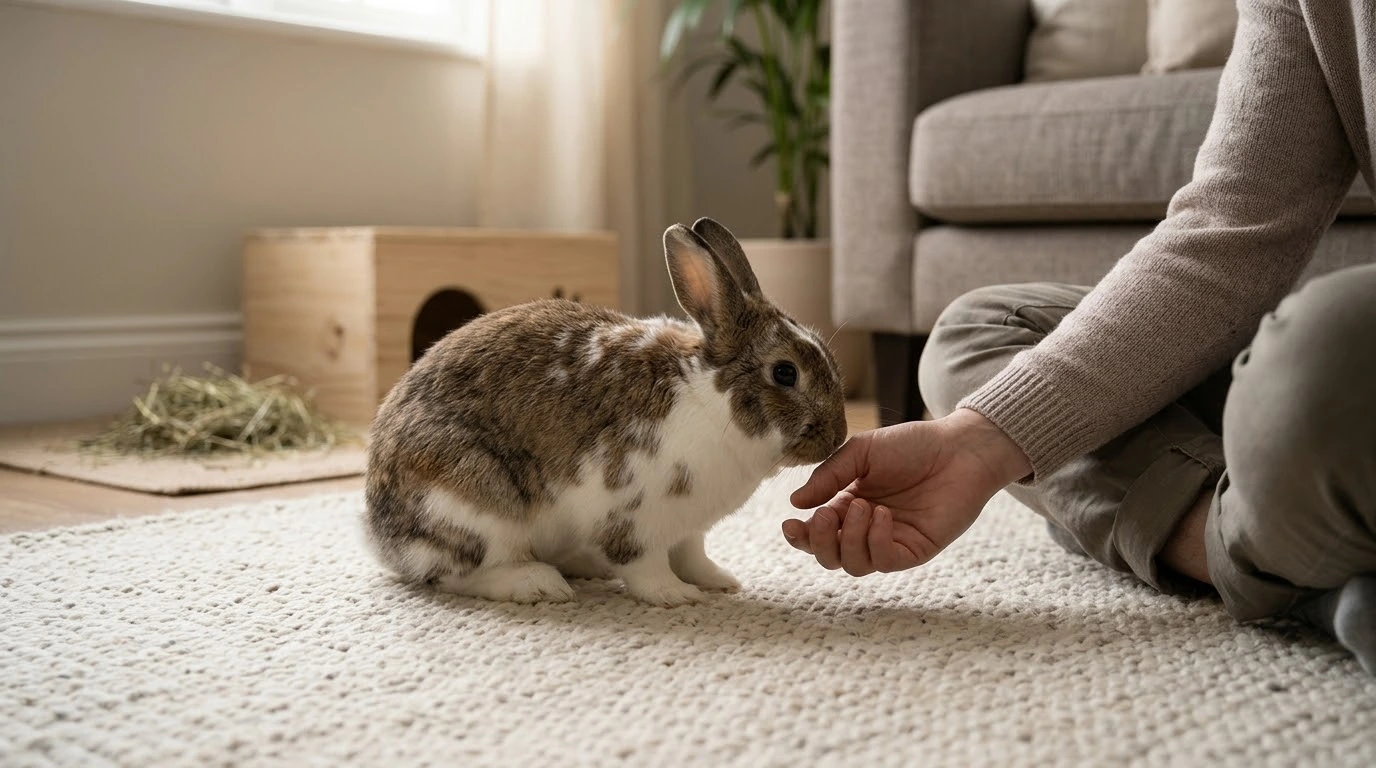
Staff and foster caregivers can share what they have observed about a dog’s energy, behavior, and daily needs. Ask how the dog has responded to children, other animals, unfamiliar people, and time alone. If you have a resident pet, discuss how introductions might work and whether the organization offers a chance for the animals to meet.
Ask about known vaccinations, medical conditions, medications, and recommended follow-up care. A dog’s history may be incomplete, and behavior in a shelter or foster home may differ from behavior after settling into your home. Treat the answers as a starting point, not a guarantee.
A Conversation Guide for Prospective Adopters
| Topic | Question to ask | Why it matters |
|---|---|---|
| Daily routine | What exercise and companionship does this dog seem to need? | Helps assess whether your schedule is a good fit. |
| Health | What medical information and care requirements are known? | Helps you plan for veterinary follow-up. |
| Behavior | How has the dog responded to people, other animals, and new situations? | Helps you prepare for introductions and training. |
| Adoption process | What are the fees, requirements, and post-adoption resources? | Clarifies next steps and available support. |
Also ask what happens after you submit an application: whether a meeting is required, what records you will receive, and whom you can contact if questions arise after adoption. The ASPCA’s pet adoption resources can help you explore the adoption process, while the American Veterinary Medical Association’s guide to selecting a dog offers additional considerations.
Prepare for the First Days at Home
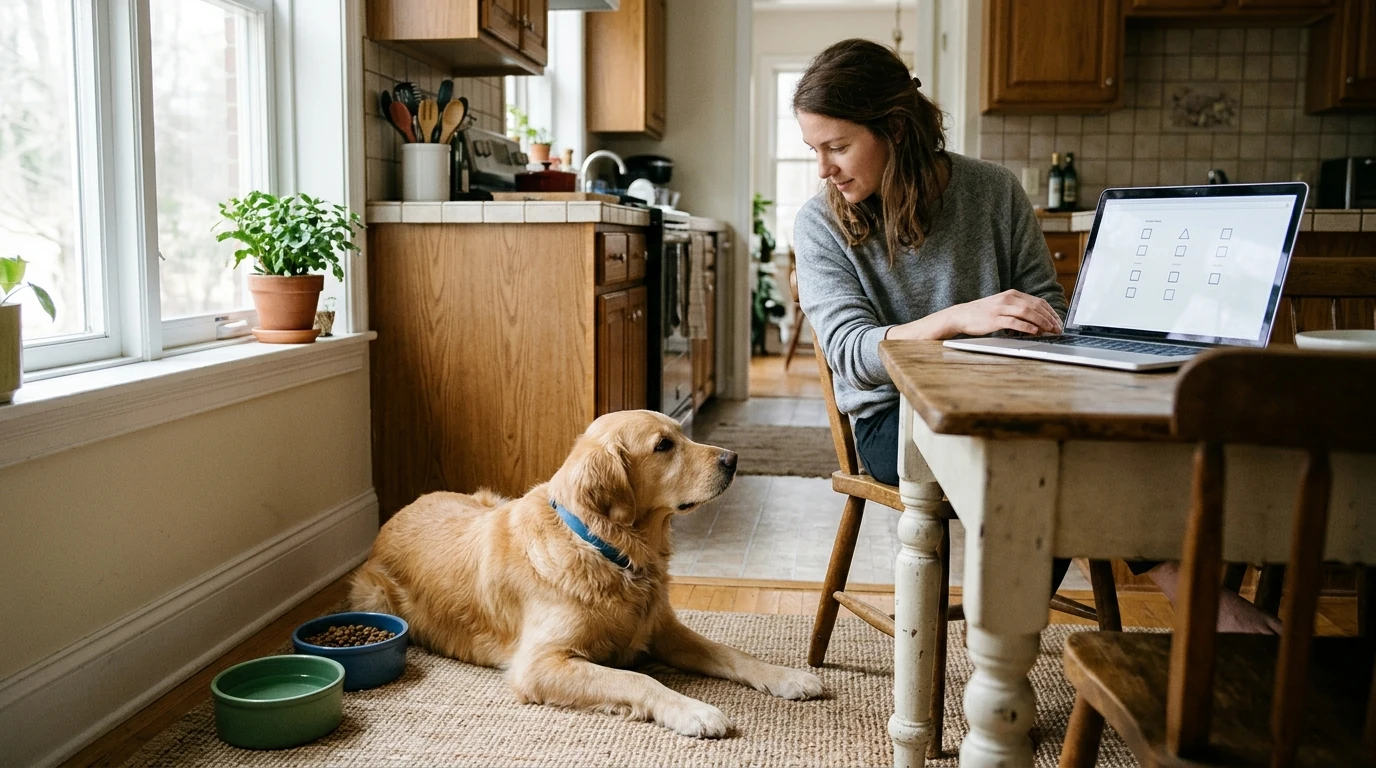
Set up a quiet area where your dog can rest without constant activity around them. Have food, water and food bowls, a leash, and identification ready before pickup. Ask the adoption organization what food the dog has been eating and discuss any transition with your veterinarian.
Plan a simple routine for meals, walks, toilet breaks, and downtime. Keep introductions calm and give your dog room to approach new people and experiences at their own pace. Even a friendly, confident dog may need time to adjust to unfamiliar sounds, smells, and expectations.
If you choose to use a crate, introduce it gradually with positive experiences rather than using it as punishment. Choose one that allows your dog to stand, turn around, and lie down comfortably. Our Choosing the Perfect Dog Crate checklist can help you think through the choice.
Use AI as a Planning Aid, Not a Decision-Maker
AI can help you organize your thoughts before a shelter visit. For example, describe your schedule, household members, experience with dogs, and available time, then ask it to draft questions for an adoption counselor. You can also use it to create a preparation checklist or group your notes by health, behavior, and daily care.
AI cannot assess an individual dog’s needs or guarantee a match. Check its suggestions with a veterinarian, qualified trainer, or adoption organization, and make the final decision yourself. For more on using this kind of tool, explore our Purrfect Match guide to using AI to choose a pet.
Make a Thoughtful Start With the Guide
Smart Starts is a $5.99 digital download for new dog owners and prospective adopters. Explore it before your shelter visit, then bring your own notes and questions to the conversation. If you meet more than one dog, compare what you learn with the time, care, and home environment you can realistically provide.
A thoughtful start leaves room for both enthusiasm and honesty. The right decision is one you can support long after adoption day.
FAQ
What should I ask before adopting a dog?
Ask about the dog’s known health needs, behavior, and daily routine, as well as adoption requirements, fees, and available support.
How should I prepare my home for an adopted dog?
Arrange essential supplies and a quiet space, plan a consistent routine, and allow your dog time to adjust.
Can AI help me prepare to adopt a dog?
AI can help organize questions and checklists, but check its suggestions with a veterinarian, qualified trainer, or adoption organization.










Leave a comment