Budget Smarts for Toys and Everyday Supplies
A few craft supplies here and a new toy there can add up, especially when you’re shopping for a household or classroom. A spending plan doesn’t have to take the fun out of play. It can help you decide what matters now, what can wait, and how much room you have for both.
Our Budget Smarts for Toys and Everyday Supplies is a $9.99 printable PDF for parents, teachers, and budget-conscious shoppers who want a more deliberate approach to everyday purchases. Start with what you have, then give your next purchase a clear purpose.
Start With What You Already Have
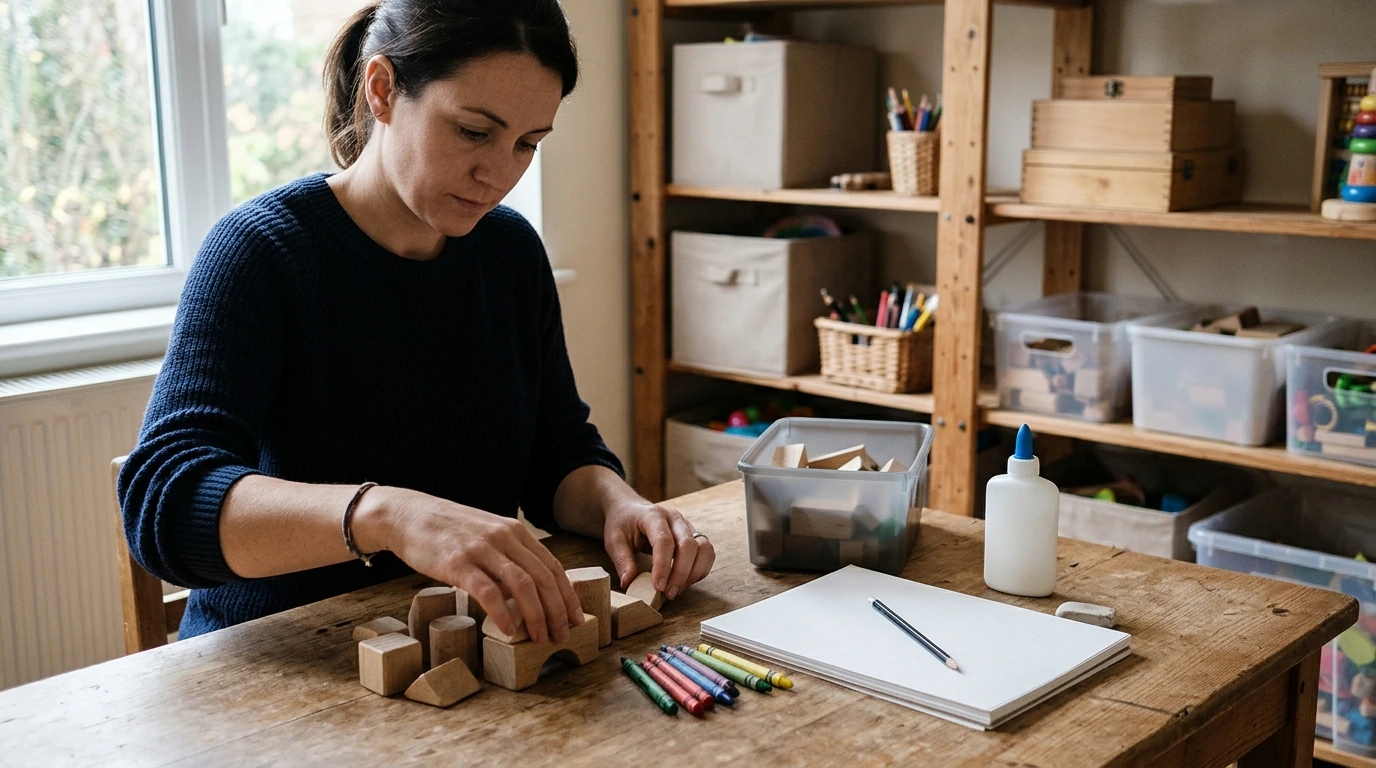
Before making a shopping list, look through toy shelves, craft bins, closets, and everyday supply drawers. You may find unopened paper, forgotten building sets, or enough crayons to get through the next project. Bringing similar items together makes it easier to see what’s actually available.
Separate usable items from those that are missing pieces, worn out, or no longer appropriate for the children using them. Then note genuine gaps. If a game is complete but stored in two different places, for example, putting it back together may be more useful than buying another one.
Keep your inventory simple. A short list on paper or your phone can help you remember what you have when you’re standing in a store aisle. You don’t need to count every item; focus on the supplies and toys you tend to replace or buy most often.
Give Toys and Supplies a Place in Your Budget
Choose a spending limit after accounting for essential household or classroom expenses. The right amount depends on your available funds and responsibilities, so use a figure you can comfortably revisit rather than one that puts pressure on necessities.
It can help to separate recurring supplies, such as paper and glue, from occasional toy or activity purchases. You might also set aside a small reserve for an unexpected need. The example below is only an illustration, not a promised outcome or a feature of our PDF.
| Category | Example allowance | Planning question |
|---|---|---|
| Everyday supplies | $20 | What needs replacing this month? |
| Toys and activities | $15 | Is there a planned purchase or event? |
| Reserve | $5 | Can this cover an unexpected need? |
Your categories and amounts can look different. A teacher preparing for a class project may need more supplies one month, while a parent may want to plan ahead for a birthday. The Consumer Financial Protection Bureau’s budgeting resources offer additional help with putting spending choices in the context of a broader budget.
Shop With a Shortlist
Once you know what’s needed, make a shortlist and put the most important items first. Set a maximum price for each purchase or for the trip as a whole. Comparing a few options before buying gives you a chance to weigh price against how well each item will serve its purpose.
For supplies, compare unit prices when they’re available. A larger package may cost less per item, but it only makes sense if you have the money and expect to use it. For toys, consider durability, how a child might use the item, and the manufacturer’s age guidance. Choose items suited to the child’s developmental stage, and keep small parts away from young children who may put them in their mouths.
When shopping online, include shipping and other charges in your comparison. The Federal Trade Commission’s online shopping guidance covers useful checks before you place an order.
You can also pause before buying. A craft project might work with materials you already have, or a toy can wait until a planned birthday purchase. These alternatives won’t guarantee savings, but they give you more options when deciding where your money goes.
Where the Printable Guide Fits
Our Budget Smarts for Toys and Everyday Supplies is a digital guide intended to help you manage toy and supply costs. At $9.99 USD, it offers a printable PDF format for shoppers who prefer a paper reference while considering their spending priorities.
If your planning also involves organizing goals and routines, our Ultimate Productivity Blueprint is a separate digital guide for goal setting, time management, and daily routines. Choose the resource that fits the task you want to tackle.
Make Your Plan Easy to Revisit
At the end of the month, review what you bought and compare it with the limits you set. Notice which supplies ran out sooner than expected and which purchases could have waited. Adjust your categories when upcoming projects, family events, or available funds change.
Parents and teachers can adapt this approach to their own responsibilities instead of following a fixed formula. If you’d like a printable reference as you plan, our team invites you to explore Budget Smarts for Toys and Everyday Supplies in our store.
FAQ
Who is Budget Smarts for Toys and Everyday Supplies for?
The guide is intended for parents, teachers, and budget-conscious shoppers who want help managing toy and supply costs.
Is the guide a physical book?
No. It is a digital guide offered as a printable PDF.
How can I budget for both toys and everyday supplies?
Start by checking what you already have, then set separate spending limits for supplies and toys. Review your purchases regularly and adjust the limits as your needs and available funds change.











Leave a comment