Pup Prep: Dog Supplies and Puppy Care for Beginners
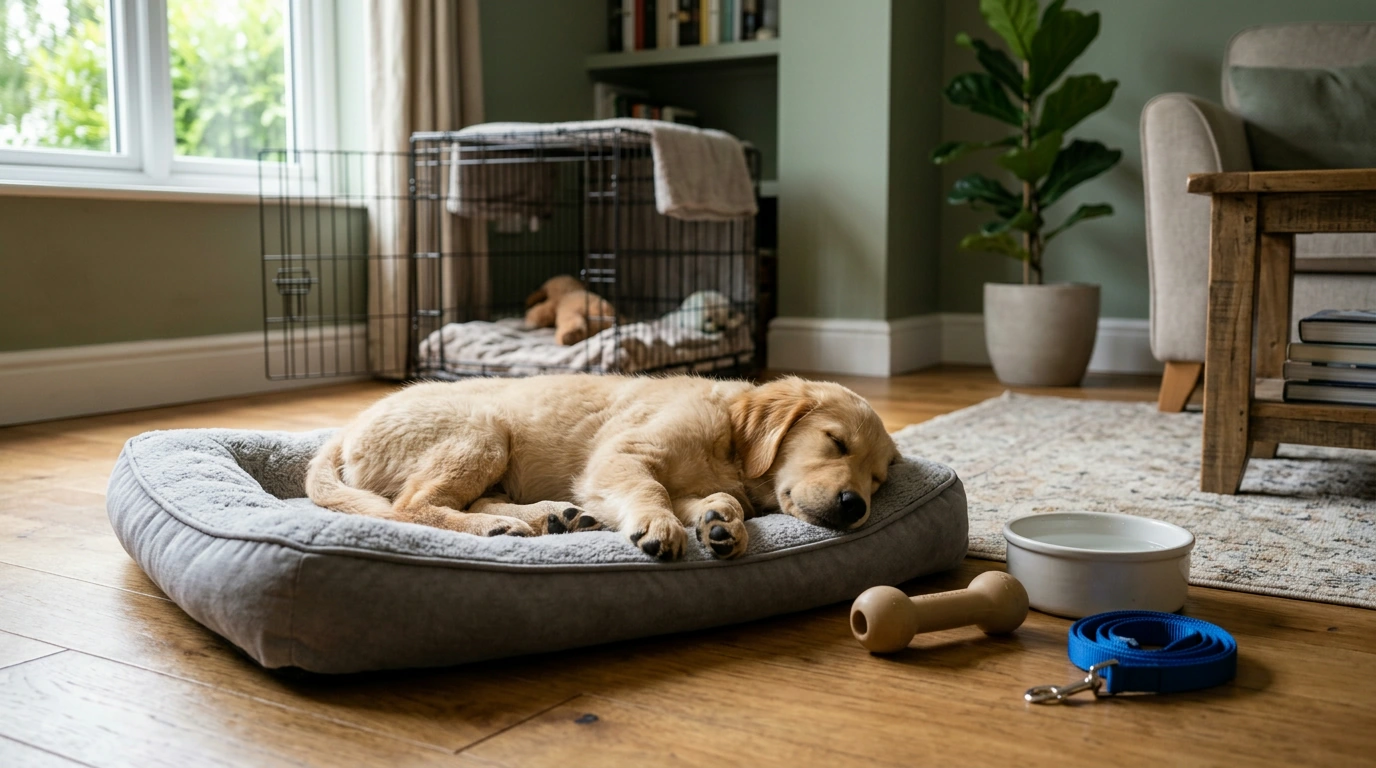
Bringing a new dog home is exciting, and a little preparation can make the first few days feel more manageable for both of you. Start with the basics, build a gentle routine, and leave room to learn what your companion needs.
Our team offers Pup Prep, an affordable digital guide for beginners, to help you organize a dog supply list and explore essential puppy care and AI dog care tips. You do not need to have every answer on day one; a practical plan and a trusted veterinarian are a good place to start.
Start With the Essentials
Before your dog arrives, set up a place for meals, a comfortable resting area, and the supplies you will need for outings and cleanup. Keep these items easy to reach so you can focus on helping your dog settle in.
Choose food with your veterinarian, especially for a puppy whose nutritional needs change as they grow. Provide fresh water throughout the day, and use easy-to-clean bowls. A collar or harness and leash should fit securely without causing discomfort; check the fit regularly as your puppy grows.
Our Pup Prep: Your Starter Dog Guide is a digital starting point for organizing beginner supplies alongside everyday care ideas.
Starter Supplies at a Glance
| Need | Starting point | What to consider |
|---|---|---|
| Meals | Food and water bowls | Choose easy-to-clean bowls and ask a veterinarian about food. |
| Walks | Collar or harness and leash | Check fit regularly as a puppy grows. |
| Rest | Bed or designated resting area | Choose a quiet spot that is easy to clean. |
| Enrichment | Appropriate toys | Select toys suited to the dog’s size and chewing habits. |
| Cleanup | Waste bags and cleaning supplies | Keep supplies accessible for walks and accidents. |
You can add to this foundation as you learn your dog’s preferences. Supervise play with new toys, and replace damaged items that could break into pieces your dog might swallow.
Build a Gentle Daily Routine
A predictable rhythm helps you plan your day and gives your dog repeated opportunities to learn. Arrange meals, potty breaks, play, short training sessions, and rest around your dog’s age and needs. Puppies generally need more frequent potty breaks than adult dogs, including after waking, eating, and playing.
Keep training sessions short and reward behaviors you want to encourage. A small treat, praise, or a favorite toy can help make practice enjoyable. If an accident happens, clean it up and continue the routine without punishment. Patience and consistency are more useful than expecting immediate perfection.
Arrange an initial veterinary visit soon after your dog comes home. Ask about vaccinations, parasite prevention, nutrition, and how to introduce your puppy safely to new people, places, and dogs. Your veterinarian can tailor recommendations to your puppy’s health and local risks. The American Kennel Club’s puppy training resources offer additional ideas for getting started.
Make Room for Safe Exploration
Look at your home from a curious dog’s perspective before arrival. Secure medications and cleaning products, keep toxic foods out of reach, and manage electrical cords. Pick up small objects that could be swallowed, and use barriers where needed to limit access to unsafe areas.
A crate can provide a comfortable resting space when it is appropriately sized and introduced positively. Your dog should be able to stand, turn around, and lie down comfortably. Let your dog explore it gradually, pair it with positive experiences, and never use it as punishment.
If you are considering a crate, our Choosing the Perfect Dog Crate printable checklist is an optional companion for comparing your choices. The American Veterinary Medical Association’s pet care resources can also help you prepare for responsible ownership.
Use AI Tips as a Starting Point
AI can be useful for organizing routine ideas or turning your observations into questions for a veterinary appointment. For example, you might ask it to help you make a list of topics to discuss about feeding schedules, socialization, or changes in behavior.
Treat its responses as starting points, not personalized medical instructions. Check advice with a qualified professional, especially when it concerns symptoms, medications, nutrition, or behavior concerns. AI cannot diagnose your dog or replace emergency care; contact a veterinarian or emergency veterinary service when urgent help is needed.
Get Ready With Pup Prep
Our beginner-focused digital dog guide brings together a supply list, essential puppy care, and AI dog care tips in one accessible starting point. Pup Prep is listed at $4.99, and you can explore the product page to decide whether it fits your preparation plans.
There is no need to get everything perfect at once. With consistent routines, patient practice, and professional guidance, you can help your new companion feel more at home.
FAQ
What supplies should I get before bringing a puppy home?
Start with food and water bowls, suitable food, a collar or harness and leash, a resting area, appropriate toys, and cleanup supplies. Ask your veterinarian for help choosing puppy-appropriate food.
Can AI replace a veterinarian for puppy care?
No. AI can help organize ideas and questions, but a veterinarian should assess symptoms and guide health decisions.
Is Pup Prep suitable for first-time dog owners?
Yes. Pup Prep is a beginner-focused digital guide covering a dog supply list, essential puppy care, and AI dog care tips.











Leave a comment