Pawfectly Groomed: Dog Grooming Basics for Pet Owners
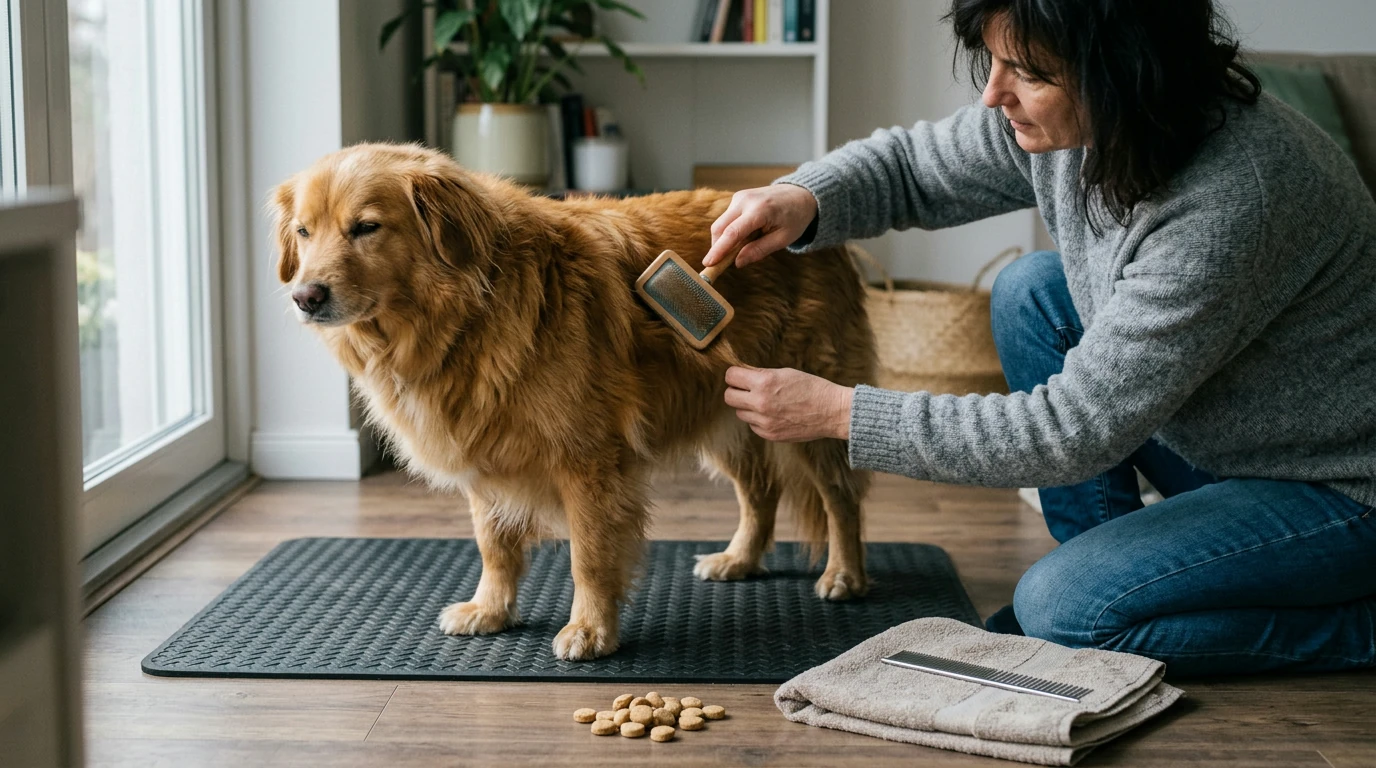
A comfortable grooming routine can do more than keep your dog looking tidy. It gives you a chance to notice changes in your pup’s coat and skin while helping them become more familiar with gentle handling. Our digital guide, Pawfectly Groomed, introduces grooming basics, tools, and techniques for pet owners who want a practical place to start.
You don’t need to tackle every task at once. With a little preparation and a pace that suits your dog, grooming can become a manageable part of your routine.
Make Grooming Part of Your Dog’s Routine
Start with short, calm sessions rather than waiting until your dog needs a full bath and a major brushing. A minute or two of gentle handling can be enough when you’re introducing a new routine. Gradually build on that experience as your dog becomes more comfortable.
Choose a quiet space with a stable, nonslip surface and keep your supplies within reach. Offer praise or small treats when your dog cooperates, and let them take breaks. If your pup walks away, stiffens, or repeatedly tries to avoid a tool, pause and make the next session easier.
There’s no single schedule that works for every dog. Coat type, activity level, and individual needs all matter. A dog with a long coat may need more frequent brushing than a short-coated dog, while a pup who loves muddy trails may need extra cleanup. Your veterinarian or groomer can help you decide what makes sense for your companion.
Start With the Right Tools
A few well-chosen supplies can make grooming more comfortable for both of you. Begin with a brush or comb suited to your dog’s coat, shampoo made for dogs, a towel, and nail clippers or a grinder sized for your pet. A soft cloth can also be handy for wiping away everyday dirt.
A single kit won’t suit every dog. A brush that works through one coat may be uncomfortable or ineffective on another, and oversized nail tools can be awkward to control on small paws. Ask a professional groomer for help selecting tools if you’re unsure what fits your dog’s coat or size.
Dog Grooming Basics at a Glance
| Task | Helpful tool | What to keep in mind |
|---|---|---|
| Brushing | Brush or comb suited to the coat | Work gently and check for tangles |
| Bathing | Dog shampoo and towels | Rinse thoroughly and avoid getting water in the ears |
| Nail care | Dog nail clippers or grinder | Trim cautiously; ask a professional for help if unsure |
| Coat and skin check | Hands and a comb | Look for unusual irritation, lumps, or parasites |
Use this table as a starting point, not a fixed timetable. Brushing, bathing, and nail care may each be needed at different intervals, depending on your dog.
Build a Comfortable Grooming Session
Begin by letting your dog settle in the grooming area. Show them the brush and reward calm interest before gently brushing a small section of coat. Work slowly, paying attention to places where tangles tend to form. Don’t pull hard at a mat; a professional groomer can help remove difficult tangles safely.
As you brush, part the coat with your hands or a comb and look over the skin. Check for unusual redness, irritation, lumps, or parasites. Contact your veterinarian about persistent skin changes, painful areas, or anything else that concerns you. Avoid applying a treatment to an irritated area without appropriate advice.
When a bath is needed, use dog shampoo and follow its directions. Keep water out of your dog’s ears, rinse the coat thoroughly, and dry your pup with a towel. A bath doesn’t have to happen during every grooming session, and a quick brush may be enough on another day.
Introduce nail tools gradually: let your dog see and sniff the clippers or hear the grinder before attempting a trim. Nails contain a sensitive area called the quick, so trim cautiously and stop if you’re unsure where to cut. A veterinarian or groomer can demonstrate the process or handle nail care for you.
Watch your dog throughout the session. If they seem stressed, take a break and return to a familiar step later. The ASPCA’s dog grooming tips offer additional guidance for caring for your dog’s coat, skin, and nails.
Keep Pawfectly Groomed Handy
Our team offers Pawfectly Groomed dog grooming guide as a convenient digital resource for pet owners exploring grooming basics, tools, and techniques. It’s listed at $9.99; visit the product page for purchase details.
Keep the guide nearby as you develop a routine, but use it alongside—not in place of—veterinary care or advice from a professional groomer. For another practical pet-care resource, explore our Choosing the Perfect Dog Crate printable checklist and guide.
FAQ
How often should I groom my dog?
Timing depends on your dog’s coat, lifestyle, and the grooming task. Ask your veterinarian or groomer to help you create an individual schedule.
What if my dog is nervous about grooming?
Keep sessions brief and positive, introduce tools gradually, and offer breaks. If your dog remains stressed, ask a veterinarian or qualified grooming professional for help.
Is Pawfectly Groomed a physical book?
No. Pawfectly Groomed is listed as a digital eBook.










Leave a comment