Raising a Smart Pup: Training Traps to Avoid
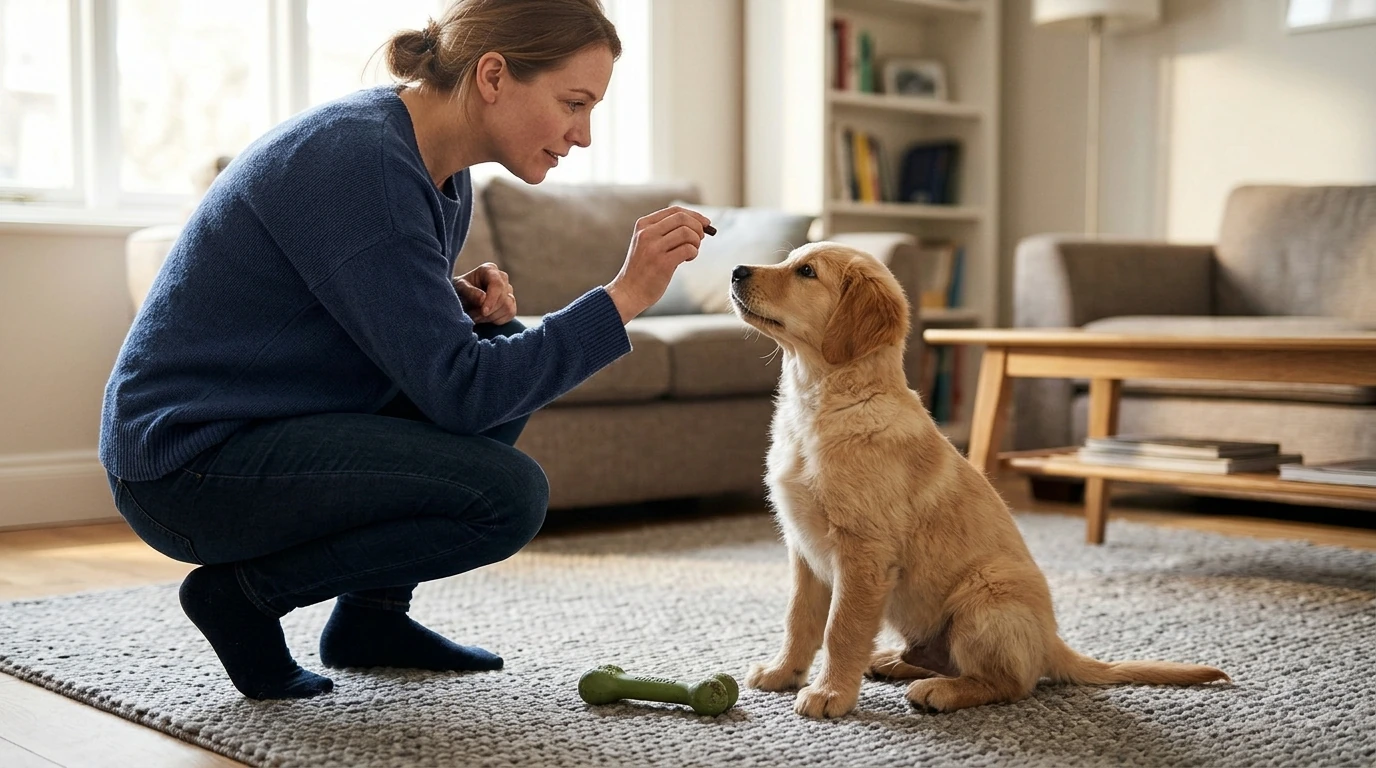
Bringing a puppy home means learning together. The habits you practice now can help your puppy understand what you expect and feel more comfortable in a new world. Our guide brings together positive reinforcement, thoughtful socialization, and practical training support so you can avoid common traps from day one.
Start with rewards and a consistent routine
Positive reinforcement means giving your puppy something they enjoy when they do a behavior you want to see again. A small treat, a favorite toy, or praise can make sitting calmly or coming when called worth repeating. Deliver the reward promptly so your puppy can connect it with the behavior.
Keep practice short and regular. A few minutes at a time can fit easily around meals, potty breaks, and play. Choose simple cues and ask everyone in your household to use the same words and reward the same behaviors. If one person rewards a puppy for jumping up while another asks for four paws on the floor, the lesson becomes harder to understand.
Our Raising a Smart Pup puppy training guide is a positive reinforcement eBook designed to help new owners build those early habits. The American Veterinary Society of Animal Behavior’s humane training guidance also supports reward-based methods.
Common training traps and better alternatives
Puppies are still learning how to navigate their surroundings. Punishment can create fear or confusion without clearly teaching what to do instead. Likewise, changing cues or expecting a young puppy to respond perfectly in a busy setting can make progress frustrating for both of you.
Reward small steps. For example, if you are teaching your puppy to come to you, reward them for turning toward you before gradually practicing over a greater distance. Make the environment work for you, too: put tempting shoes away, provide appropriate chew toys, and use supervision or a puppy-safe area to prevent unwanted behavior before it starts.
Training traps at a glance
| Trap | Try instead |
|---|---|
| Repeating a cue when the puppy is distracted | Get the puppy’s attention and reward a successful response. |
| Punishing accidents | Supervise closely, offer frequent potty breaks, and reward success. |
| Expecting long training sessions | Practice briefly and finish on a positive note. |
| Changing household rules | Agree on cues and reward the same behaviors consistently. |
If a cue is not working, make the task easier rather than saying it louder or over and over. Move to a quieter room, get your puppy’s attention, and reward a response there before adding distractions again.
Make socialization a positive experience
Socialization is about helping your puppy encounter people, places, sounds, and everyday experiences gradually and positively. It does not mean asking them to greet every dog or person. Let your puppy observe at a comfortable distance, pair new experiences with treats, and avoid forcing an interaction.
Use the dog socialization checklist in Raising a Smart Pup to organize experiences you want to introduce. Watch for signs of fear or fatigue, such as retreating, freezing, or repeatedly turning away. If your puppy seems overwhelmed, increase the distance or end the outing and try an easier version another day.
Ask your veterinarian about vaccination timing and which outings are appropriate for your puppy. The AVSAB puppy socialization statement offers additional guidance on balancing early experiences with health precautions.
Use AI tips with good judgment
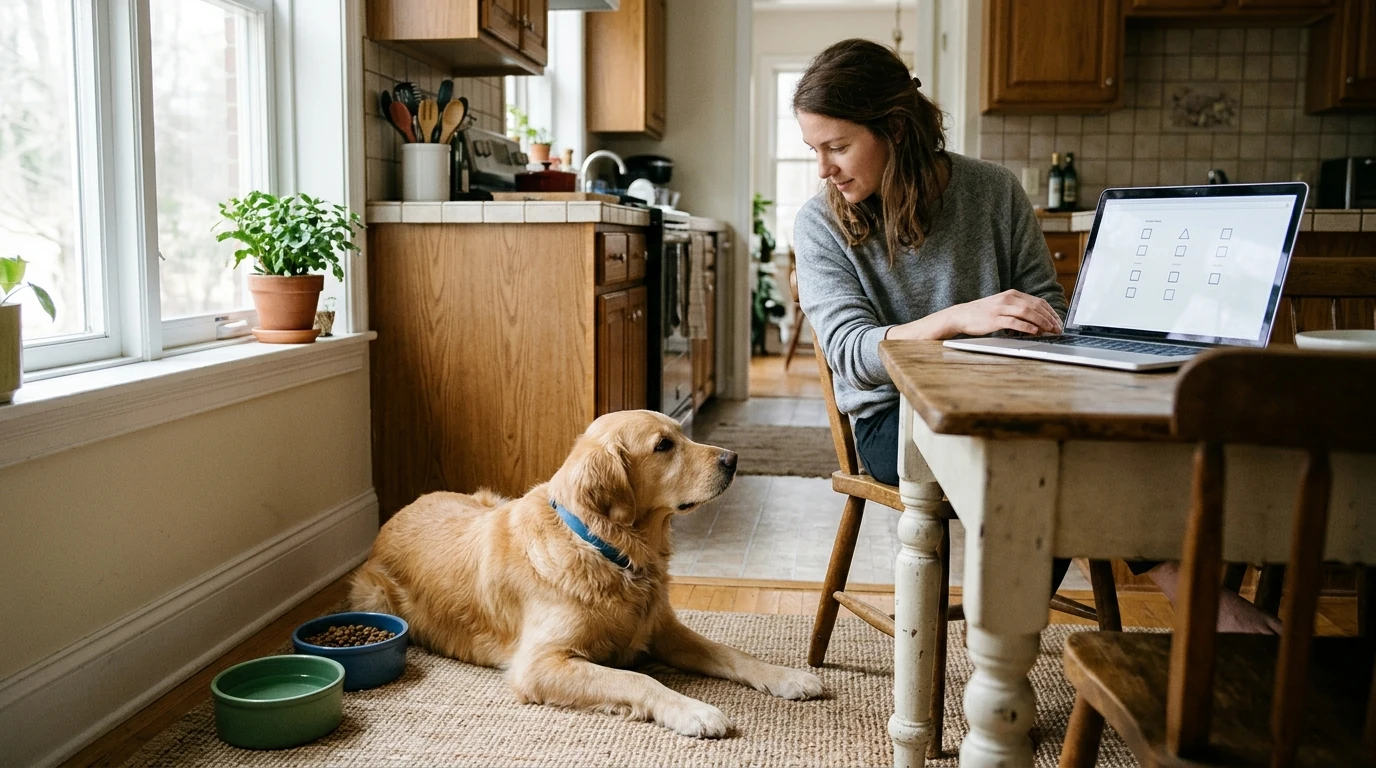
AI can be a useful brainstorming tool when you want a simple practice schedule or a list of questions to bring to a trainer. You might ask for ideas for practicing a cue in short sessions, then choose the suggestions that suit your puppy’s age, attention, and comfort level.
Treat those ideas as a starting point, not a diagnosis or a substitute for hands-on help. For health concerns, contact your veterinarian. If your puppy’s behavior worries you or training is not progressing, consult a qualified reward-based trainer who can assess the situation with you.
Build a comfortable routine at home
Training is only one part of your puppy’s day. A predictable rhythm of meals, potty breaks, play, supervision, and rest helps you notice when your puppy is ready to learn and when they need a break. Practice useful behaviors during ordinary moments, such as rewarding a calm pause before you put down a food bowl.
If you are considering a crate, our Choosing the Perfect Dog Crate checklist is a complementary resource. Introduce a crate gradually with rewards, and avoid using it as punishment.
Choose a guide for your puppy’s first lessons
Small, consistent choices can make early training feel more manageable. Raising a Smart Pup brings together common training traps, positive reinforcement, a socialization checklist, and AI training tips for new owners. It is listed at $76.98 and is in stock. View our guide to plan your puppy’s next steps and build a routine you can practice together.
FAQ
How long should puppy training sessions be?
Keep sessions brief and frequent, adjusting to your puppy’s attention span. Stop before your puppy becomes frustrated or tired, and finish with an easy success.
How can I socialize my puppy safely?
Introduce new experiences gradually and pair them with rewards, without forcing interactions. Ask your veterinarian about vaccination timing and suitable environments for your puppy.
Can AI replace a puppy trainer?
No. AI can generate practice ideas, but it cannot assess your puppy in person or replace advice from a qualified trainer or veterinarian.








Leave a comment