Why Do Cats Bite When You Pet Them? A Behavior Guide
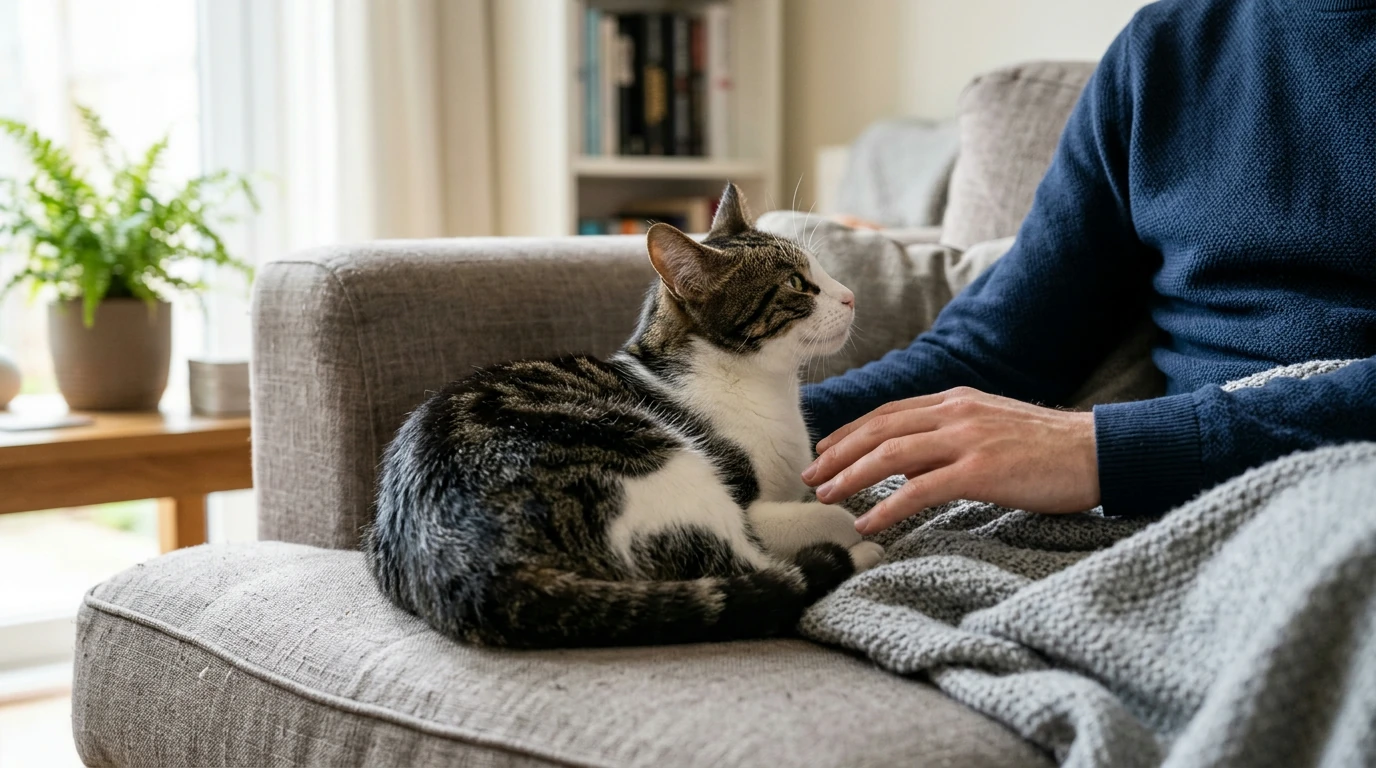
Your cat is curled up beside you, seemingly content as you stroke their fur. Then, without warning—or so it seems—they turn and bite. It can be confusing and even hurtful, especially when you were trying to show affection.
A petting bite doesn’t mean your cat is spiteful or that your bond is broken. Cats have individual boundaries, and those boundaries can change with the situation. Our digital guide, The Truth Behind Petting Bites and Feline Boundaries, offers educational support for cat lovers and pet parents who want to understand this behavior.
Why petting can lead to a bite
Some cats enjoy only a little touch at a time. A cat may approach you for attention but become uncomfortable after several strokes. For some, repeated petting may lead to overstimulation; for others, a particular touch or location may be unwelcome.
A bite alone doesn’t tell you exactly what caused it. Fear, frustration, pain, and other factors can also contribute. Your cat’s surroundings and recent experiences matter, as does whether the behavior is familiar or new. The ASPCA’s guide to aggression in cats describes several possible reasons for aggressive behavior and why context matters.
Rather than looking for a quick fix, start by treating the bite as a reason to pause and pay closer attention. A more comfortable interaction begins with respecting what your individual cat can tolerate.
Recognizing when your cat needs space
Cats don’t all communicate in the same way. One may flick their tail or twitch the skin along their back; another may flatten their ears or turn their head toward your hand. These can be signs that contact is becoming uncomfortable or that the cat wants it to stop.
Read signals together and consider the situation, rather than relying on a single checklist. A relaxed cat who keeps approaching may welcome more contact, but even then, a pause gives them a choice.
| What you notice | What it may mean | What to do |
|---|---|---|
| Relaxed posture and continued approach | The cat may welcome contact | Keep petting brief and pause to see whether the cat stays |
| Tail flicking or skin twitching | The cat may be getting uncomfortable | Stop petting and give the cat room |
| Ears flattening or head turning toward your hand | The cat may want contact to end | Withdraw calmly and avoid reaching again |
Build a more comfortable petting routine
Let your cat initiate contact when possible. Offer a brief pet, then pause and watch what they do. If they remain relaxed and seek more contact, you can continue briefly. If they move away, allow them to leave without following or holding them in place.
Pay attention to the areas your cat seems comfortable with. Some cats enjoy a gentle touch around the cheeks or head, while others have different preferences. Don’t assume that a spot is welcome just because another cat likes it, and remember that a cat’s preferences may change from day to day.
Keep sessions short, particularly if bites have happened before. You can also enjoy time together without petting: sitting nearby or offering an opportunity to play may suit your cat better at that moment. If a bite happens, calmly end contact and give your cat space. Avoid punishment, which can add fear or stress rather than help you understand the cause.
When to ask for professional help
Contact your veterinarian if biting is new, getting worse, or accompanied by signs of pain or illness. A cat who reacts when a particular area is touched may need a medical assessment. Your vet can help identify or rule out health concerns before you focus on changing the petting routine.
If biting persists, ask your veterinarian about behavior support or consult a qualified feline behavior professional. They can help you consider the context and develop an approach suited to your cat.
If a bite breaks your skin, wash the wound promptly and seek medical advice. Cat bites can become infected, even when the wound looks small. The NHS guidance on animal bites explains wound care and when to get help.
A guide for understanding feline boundaries
Our The Truth Behind Petting Bites and Feline Boundaries digital guide is available for $10.99 USD. It’s a digital download for people interested in understanding petting bites and cat behavior. Use it as educational support, not as a substitute for veterinary diagnosis or care.
If you’re also considering adding a pet to your household, our Purrfect Match: How AI Can Help You Find the Right Pet digital guide offers another way to explore that decision. Choosing a pet and learning their individual preferences are separate steps, and both deserve thoughtful attention.
FAQ
Why does my cat bite me after enjoying petting?
A cat’s tolerance for touch can change during a session, and overstimulation is one possible reason for a bite. Watch your cat’s individual signals and pause before continuing.
Should I punish my cat for a petting bite?
No. Stop contact calmly, give your cat space, and adjust future interactions instead of using punishment.
When should I contact a vet about biting?
Arrange a veterinary assessment if biting is new, worsening, or accompanied by signs of pain or illness.











Leave a comment