Understanding Pet Temperament: Dog and Cat Behavior
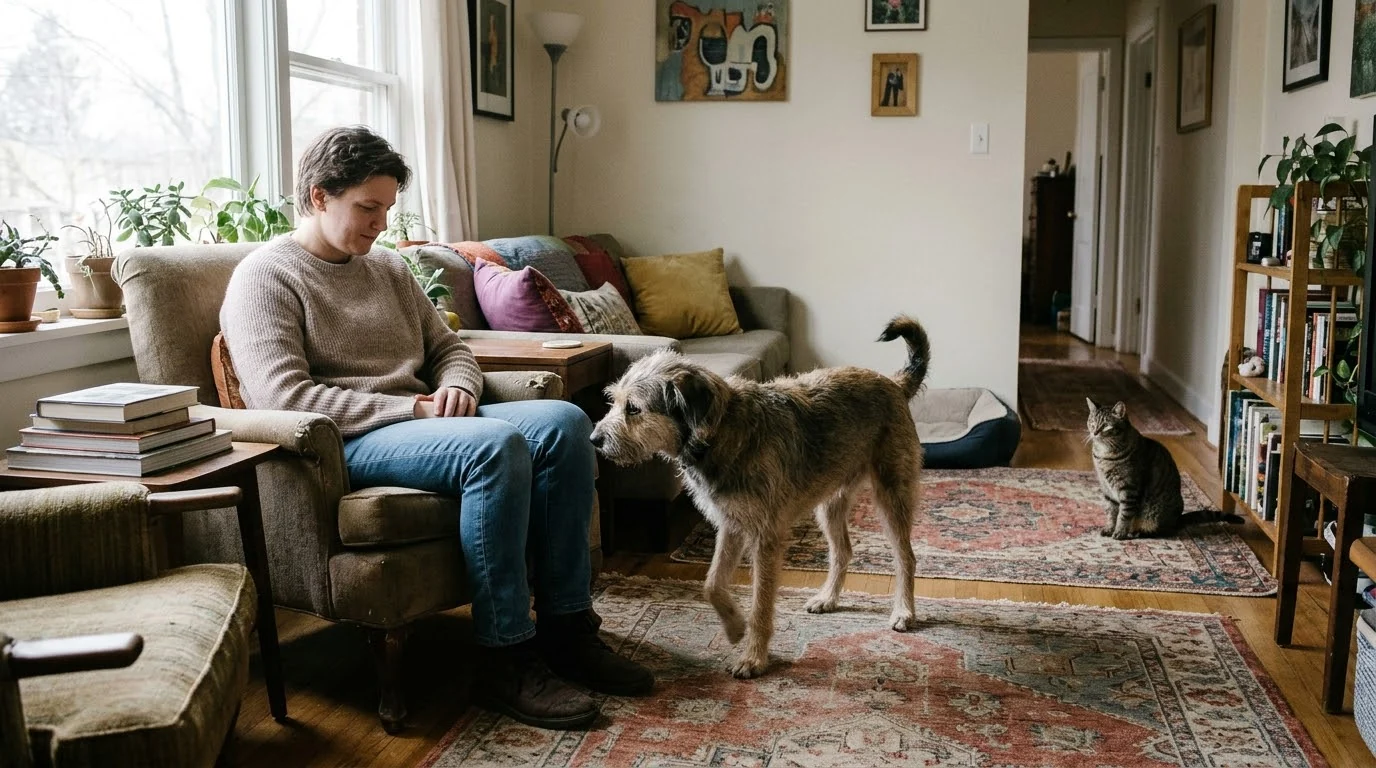
Every dog and cat has an individual way of experiencing the world. One pet may eagerly approach a visitor, while another prefers to watch from a quiet corner. Understanding those tendencies can help you make everyday care and training more comfortable for both of you.
Temperament is one part of the picture, not a label that defines everything your companion does. Our team encourages you to observe patterns, consider the situation, and give your pet room to communicate.
What Temperament Can Tell You
Temperament describes an animal’s typical way of responding to people, other animals, and surroundings. A dog may generally be outgoing around unfamiliar people, for example, while a cat may consistently prefer a slow introduction. You might also notice differences in how readily your pet explores, settles after excitement, or responds to a change in routine.
Look for recurring tendencies rather than drawing conclusions from one moment. A usually social dog that moves away from a visitor may be tired, uncomfortable, or startled. A cat that hides during a gathering may simply find the noise overwhelming. Health and past experience can also influence behavior.
Instead of deciding that your pet is “stubborn” or “unfriendly,” ask what the behavior may be communicating. That shift can help you choose a response that supports your companion’s needs.
Read Behavior in Context
Posture, movement, vocalization, and proximity can all provide clues, but they are most useful when you consider them together. Notice whether your pet’s body looks loose or tense, whether they approach or retreat, and what is happening around them. A sound or movement alone rarely tells the whole story.
For example, a dog turning away during petting may need a break, particularly if the dog also moves back or becomes tense. A cat approaching you may be interested in interaction, but that does not necessarily mean the cat wants to be picked up. Watch what happens next and adjust your response.
| Animal | Observation | Possible meaning | Helpful response |
|---|---|---|---|
| Dog | Loose body and relaxed movement | May be comfortable | Continue calmly and watch for changes |
| Dog | Turning away or moving back | May want more space | Pause the interaction and allow distance |
| Cat | Approaching with a relaxed body | May be open to interaction | Let the cat set the pace |
| Cat | Hiding or crouching | May feel uncertain or unwell | Provide a quiet retreat and monitor for changes |
These observations are possibilities, not diagnoses. If your pet appears uncomfortable, avoid forcing a greeting or continuing to handle them. Give them space and a clear way to move away. The International Cat Care guide to understanding your cat offers further context for interpreting feline behavior.
Adapt Care and Training to Your Pet
Start by noticing how your companion responds to ordinary situations: visitors arriving, grooming, play, meals, and unfamiliar places. You can jot down what happened before a reaction and what helped your pet settle. Over time, those notes may reveal useful patterns.
Introduce new experiences gradually. If visitors make your dog uneasy, give the dog enough distance to remain comfortable rather than asking for an immediate greeting. Reward calm choices with something your dog enjoys, and keep practice sessions short. If your pet stops taking treats, retreats, or becomes tense, pause and make the next attempt easier.
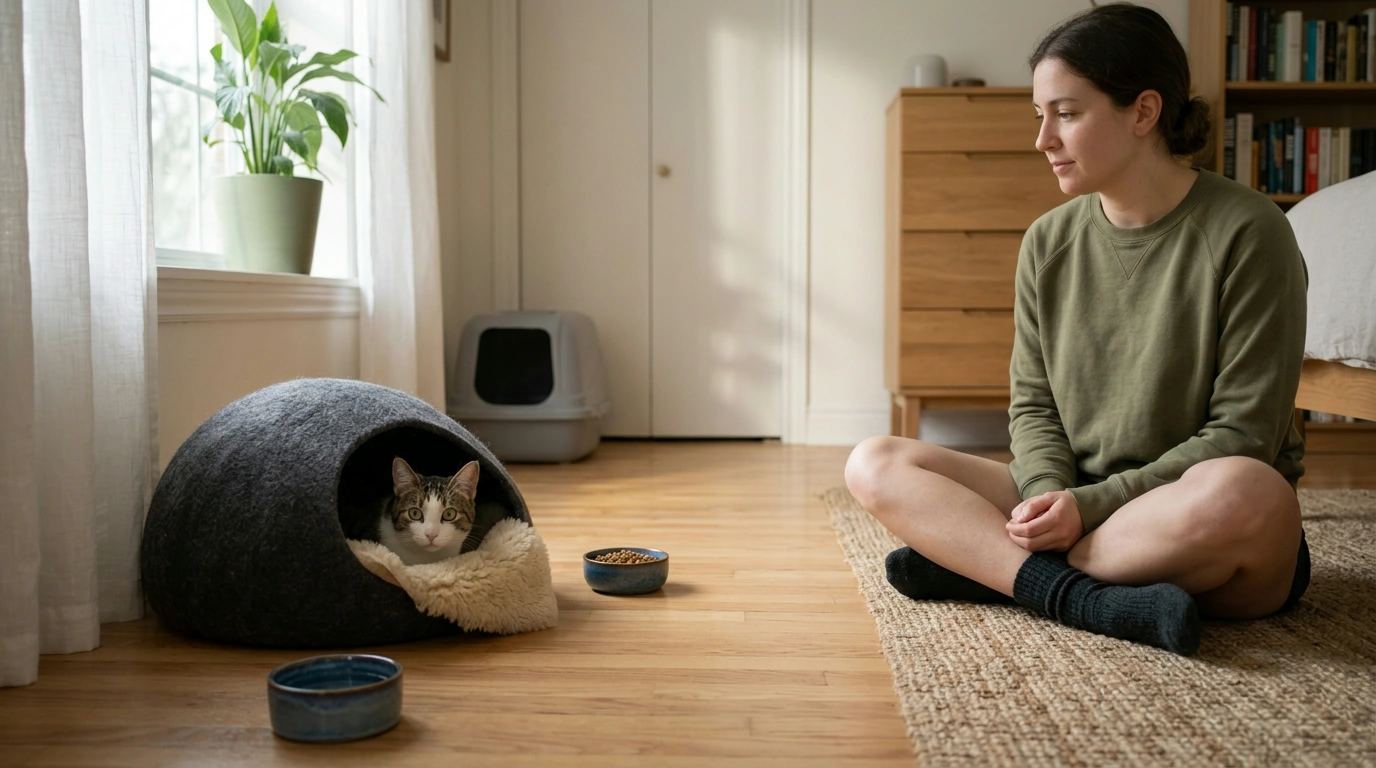
Cats benefit from choice and positive reinforcement too. A predictable routine, access to a quiet retreat, and the option to approach on their own can make interactions less stressful. You can reward a cat for voluntarily approaching a carrier or accepting a brief handling step, then build slowly from there.
Reward-based training focuses on reinforcing desired behavior rather than using fear or discomfort to change it. For more guidance, see the American Veterinary Society of Animal Behavior’s humane dog training resources.
If you are considering a crate for your dog, our Choosing the Perfect Dog Crate checklist and guide can help you consider comfort and safety. Introduce a crate gradually and never use it to force an anxious dog through an interaction.
Using the Temperament Guide
Our Understanding Your Pet’s Temperament guide focuses on decoding dog and cat behavior for better care and training. It is a resource for owners who want to observe their companions thoughtfully and make more informed everyday choices.
You might use the topic as a starting point for considering how your pet responds to handling, changes at home, or new people. Those observations can help you decide when to slow down, offer a reward, or give your companion more room.
The guide is listed at $39.99. Visit the product page to learn more and decide whether it suits your needs.
When to Ask for Help
Contact your veterinarian if your pet’s behavior changes suddenly, you notice signs of pain, or you have concerns about their health. Hiding, reluctance to be touched, or a change in activity can have many causes, including medical ones.
If fear, aggression, or an ongoing behavior concern makes everyday care difficult, seek a qualified, reward-based behavior professional. A veterinarian can help you identify appropriate support. Until you have guidance, prioritize safety and avoid situations that repeatedly distress your pet.
FAQ
Can a pet’s temperament change over time?
Behavior can change with age, experience, environment, and health, although some individual tendencies may remain recognizable.
How can I tell if my pet needs more space?
Watch for avoidance, retreat, tension, or other changes in the situation. Pause the interaction and let your pet move away.
Is this guide for both dog and cat owners?
Yes. The guide focuses on decoding both dog and cat behavior for better care and training.










Leave a comment